


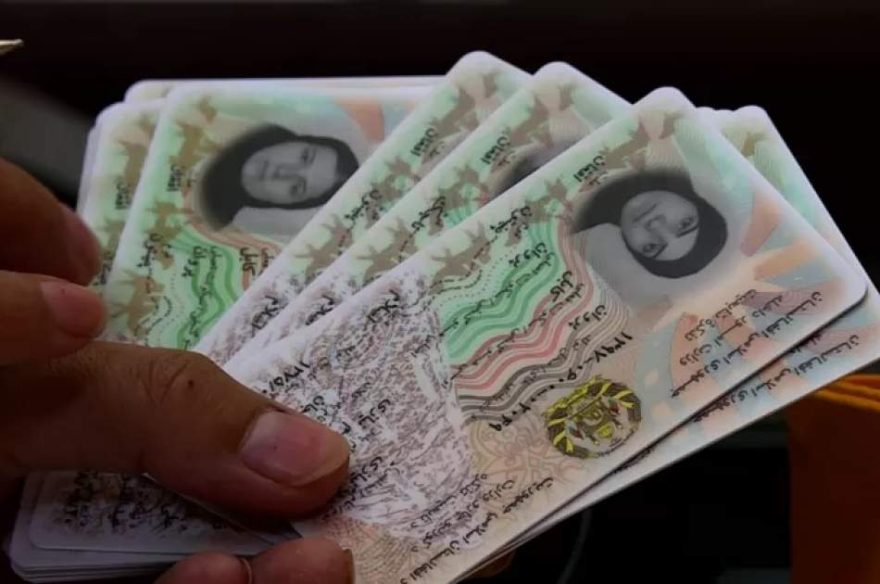
Afghanistan’s National Statistics and Information Authority (NSIA), said it has issued more than 18.3 million electronic national identity cards (e-Tazkiras) since the nationwide distribution program began, with more than 827,000 cards issued during the first six months of the current solar year.
In a statement released Sunday, the authority said 827,060 electronic ID cards were distributed across Afghanistan during the first half of the year. According to the figures, 600,546 cards were issued to men and 226,514 to women.
Kabul recorded the highest number of newly issued electronic ID cards, with 232,696 documents distributed during the six-month period. The provinces of Herat, Nangarhar, Kandahar, and Balkh followed as the largest recipients of the service.
The NSIA said electronic ID services are currently provided through 87 registration centers across Afghanistan as well as one Asan Khidmat service center in Abu Dhabi, United Arab Emirates, which serves Afghan citizens living abroad.
The electronic ID card program was originally approved under Afghanistan’s Population Registration Law in 2014 during the former republic. Political disagreements in parliament delayed its implementation until 2016, when then-President Ashraf Ghani amended the law through a legislative decree.
The first electronic ID card was officially issued to Ghani on May 3, 2018, marking the formal launch of the nationwide registration system. The project was intended to modernize Afghanistan’s civil registry, improve access to government services, and create a centralized national identity database.
After the Taliban returned to power in August 2021, the distribution process resumed following a brief suspension. Taliban authorities have continued issuing the electronic documents and expanded registration centers in several provinces as part of broader efforts to digitize public services.
However, the electronic ID card remains politically sensitive. The document still carries the state emblem and logo adopted during the former Afghanistan republic, despite earlier Taliban efforts to replace republic-era symbols after taking power in 2021. The administration has continued issuing the cards without publicly announcing a nationwide redesign.
Electronic ID cards have become increasingly important for accessing government services, obtaining passports, registering SIM cards, enrolling in educational institutions, opening bank accounts, and completing other administrative procedures. The Taliban administration has also linked the e-Tazkira system to several digital public service initiatives in recent years.
The NSIA did not provide updated figures on the number of eligible citizens who have yet to receive electronic ID cards or a timeline for completing nationwide registration.

